
Why traditional Dev Teams are dead – Meet HIVE
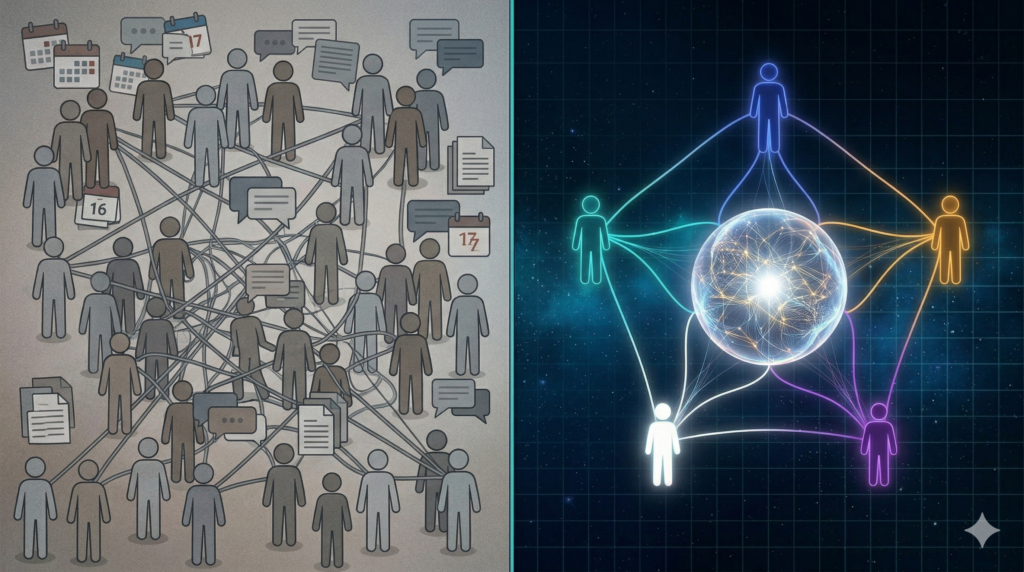
By Darsej Rizaj — Co-Founder & CTO, Star Labs I’ve been running Star Labs for eight years. In that time I’ve probably lost count of how many senior developers have walked out the door, each one taking months of context with them. The architecture calls, the weird workarounds nobody documented, the “we tried that in 2019 and it broke everything” kind of knowledge. Gone overnight. Replacing someone senior takes weeks at best. Real knowledge transfer? Never happens. You bring in someone new and they spend three months just figuring out where things are. That pattern ate at me for a long time. Not just the turnover part. The whole setup felt wrong. How teams are structured, how knowledge flows (or doesn’t), how we’ve been using AI as glorified autocomplete. About a year ago I stopped complaining about it and started building something different. What actually broke Some context first. Hana Qerimi and I started Star Labs in Kosovo in 2017. We’ve got about 200 engineers now, a presidential medal from the President of Kosovo for our work in education, and a sister company called Digital School that teaches 40,000+ kids to code across 40 countries. We’re not some random agency. 70% of our devs come through our own talent pipeline, where we filter 500-600 applicants down to about five hires each quarter. Even with all that. Even with 73% retention, which is honestly great for this industry. The same problems kept coming back. Your best developer solves a gnarly bug at 11pm. That fix now lives exclusively in their brain. Maybe they mention it in standup. Probably not. Three weeks later someone else hits the same wall and wastes half a day rediscovering the solution. Then there’s the silo thing. Front-end people refuse to look at infrastructure. DevOps won’t go near product code. QA only tests, never builds. I grew up treating engineering as one discipline. That mindset barely exists anymore. And AI. God, the AI situation. Companies are out there buying ChatGPT Enterprise seats and calling it digital transformation. Meanwhile 80% of their devs are using it like a search engine with a chat interface. No memory between sessions. No accumulated context. The few developers who actually build up AI workflows and custom instructions? All of that sits on their personal machine. They leave, IT wipes the laptop, and the company’s “AI transformation” resets to zero. So I built the Hive I’m going to admit something embarrassing. The original idea came from Star Trek. Specifically the Borg. I’ve been a sci-fi nerd my entire life and the concept of a collective intelligence, where no single member holds knowledge that the group doesn’t also have, it just clicked for me. Obviously we’re not assimilating people. But the AI agents? Fair game. The model I landed on is what I call a Constellation Team. Five people, five disciplines, everyone writes code. Not five frontend devs. Five different specialists who all ship. The roles (I went full space theme, no regrets): The Architect — your senior dev The Navigator — product owner, but one who codes The Foundation — DevOps The Guardian — QA, but they build things too The Catalyst — AI and data That last point matters. QA doesn’t just write test cases. They build features. The product owner pushes commits. Nobody gets to sit back and just manage or just review. Everybody ships. But the team structure alone isn’t the interesting part. What connects them is. Five layers inside the Hive I’ll walk through these because they each solve a specific failure mode I kept seeing in traditional setups. The Collective Brain. When our Architect burns an hour debugging a Docker networking issue, that entire troubleshooting path, the solution, the context around it, gets captured. Automatically. No one needs to write a Confluence page. When Foundation hits something similar two months later, the Hive already knows what worked. That’s hours saved on a single incident. Multiply that across a year. Shared Memory. This one’s personal for me because it’s the problem that started everything. Normally, a developer builds up incredible context inside their AI assistant. Project structure, naming conventions, past decisions, all these micro-details that make them fast. Session ends. Context gone. Or worse, they leave the company and all of it vanishes. In our setup, those AI memories sync to a central store organized by project. When the Guardian picks up work the Architect started, their AI isn’t starting cold. It has the full picture. Real-Time Consciousness. Say the Architect is refactoring a payment service. Foundation, not knowing this, tries to redeploy the same server. The Hive catches it and pings both of them. No standup needed. No “hey did you see my Slack message from three hours ago.” It just works. Session Persistence. Anyone who’s used Claude or ChatGPT for more than an hour knows the pain. Context window fills up, the AI starts forgetting things you told it twenty minutes ago. Our system logs every session. When one ends it gets compressed into a summary. If someone asks about something that fell through the cracks, the Hive searches those summaries. Worst case it can pull the raw session logs. Nothing gets lost. Ever. Centralized Skills. Skills are reusable instructions. Deploy this way, review code like that, handle database migrations following this process. Normally each developer builds their own, if they bother. Most don’t. Those who do take it with them when they go. We centralize all of it. A deployment skill, a code review standard, a frontend component pattern. It becomes company property, not personal preference. I genuinely think that in five years we’ll be valuing companies partly based on how deep their AI skill libraries are. Nobody’s tracking that metric yet. They will. We killed Scrum Not modified it. Killed it. No sprints. No planning poker. No retrospectives. No daily standups where half the team mentally checks out while waiting for their turn to say “no blockers.” Here’s what replaced it: Demo meetings with