





Understand your priorities
We begin with a consultation to understand your business, the participants, and the tasks you want to improve.
Together, we identify relevant use cases and agree on the program’s objectives, scope, and delivery format.
AI training for businesses
Build the skills to apply artificial intelligence to your everyday business processes.
StarLabs delivers practical AI training for executives, managers, and teams. Each program combines a structured foundation with exercises adapted to your industry, responsibilities, and business priorities.
Organisations we’ve trained





Different roles require different approaches to AI. We adapt the content, tools, and technical depth to the people taking part, whether you are training a leadership group, one department, or teams across your organisation.
Understand where AI can create value, assess opportunities across the business, and make informed decisions about adoption, investment, and oversight.
Identify opportunities within your department, improve recurring workflows, and establish practical ways for your team to use and review AI-generated work.
Learn to use AI for everyday tasks, from analysing information and preparing documents to creating content and building simple automations.
We select applications based on your priorities, the participants’ roles, and the agreed program scope. Examples include:
Extract information, compare documents, summarise reports, and prepare initial analyses with references that your team can check.
Explore workflows for preparing reports, drafting routine emails, organising information, and following up on deadlines.
Develop assistants that use selected company materials to help people find information and follow internal procedures.
Research prospects, prepare proposals, adapt campaign content, and develop materials that reflect your audience and brand.
Explore tools for producing and editing presentations, images, and videos, with human review before use or publication.
Structure competitor research and compare publicly available information. Where suitable, explore ways to automate parts of the process.
Prototype forms, dashboards, request systems, and other tools using platforms that match your team’s technical experience.
Document how work moves through your business, identify repetitive steps, and explore where AI could support the process.
Participants build and test selected applications during training. Deployment into day-to-day operations may require additional integrations, access permissions, testing, or technical support.
We begin with a consultation to understand your business, the participants, and the tasks you want to improve.
Together, we identify relevant use cases and agree on the program’s objectives, scope, and delivery format.
We adapt our training framework to your group’s experience and responsibilities.
Exercises can use suitable company materials or representative examples. We also agree on the tools, access, and preparation needed before the sessions.
Participants work through guided exercises, test AI outputs, and develop applications relevant to their roles.
The sessions cover both how to use the tools and how to judge their results, including accuracy, limitations, and appropriate handling of information.
At the end of the program, we review what participants have developed and identify what they can apply independently.
We also outline which ideas need further testing, internal approval, or technical implementation.
The agreed program scope determines the specific deliverables. These can include:
Any follow-up sessions or implementation support are defined in your proposal.
We can build the training around platforms your organisation already uses, including ChatGPT, Claude, and Gemini, alongside other relevant tools.
If you are still evaluating platforms, we help you consider their suitability for your tasks, existing systems, and information-handling requirements.
Any required subscriptions or additional software costs are identified when planning the program.
Programs can focus on a specific function or bring together participants from several departments, including finance, HR, operations, sales, marketing, legal, procurement, IT, and customer service.
Duration, session structure, location, and delivery arrangements are agreed during the consultation.
Your proposal sets out the training objectives, participant group, delivery format, inclusions, and price.
Rated 5 out of 5
We didn’t just learn about AI tools; we built, tested and explored.
Rated 5 out of 5
Genuinely valuable and more practical than I expected.
Rated 5 out of 5
You left each day having actually built something.
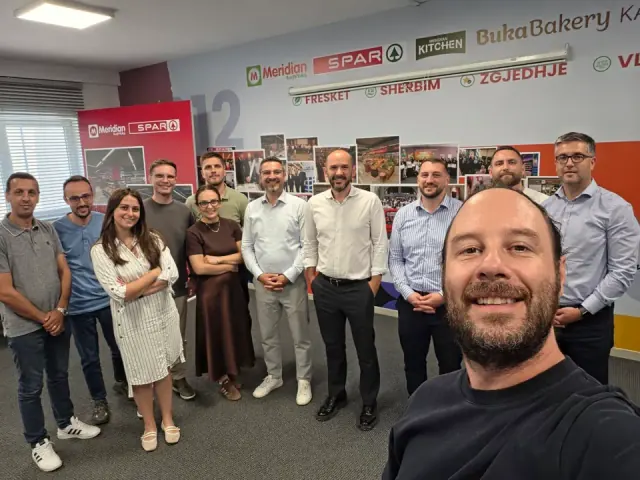
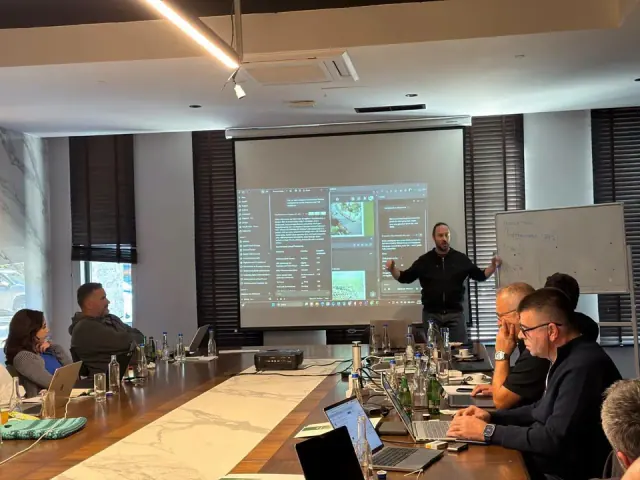
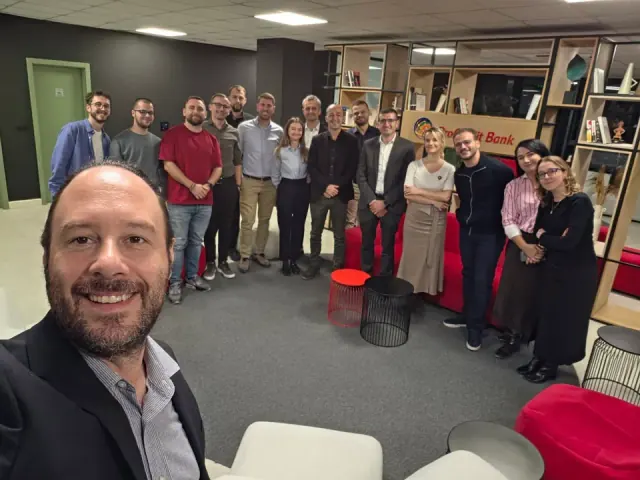
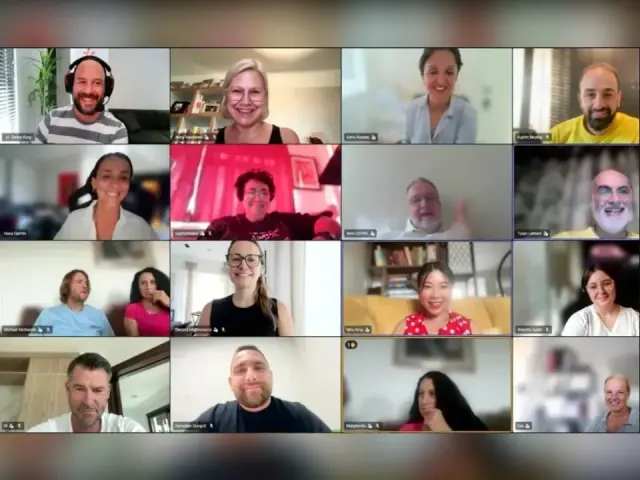
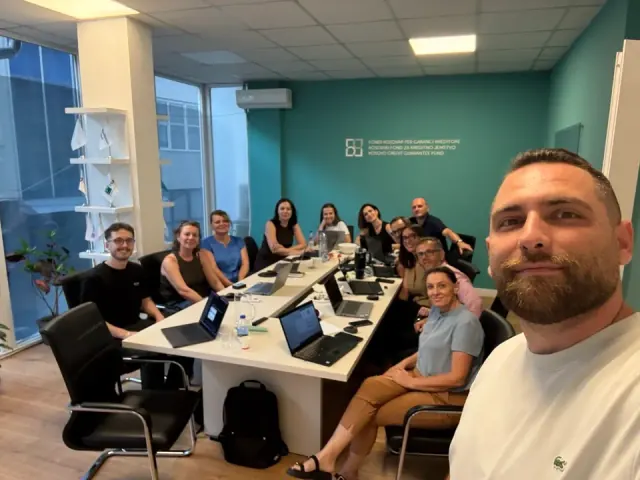
Our trainers bring experience in business technology, software development, process automation, and education. Trainers are assigned according to the audience and the program’s focus.
 CTO
Co-founder & Chief Technology Officer, StarLabs, Shkolla Digjitale & AveHR
Darsej leads the development of the AI training approach, drawing on more than 20 years of experience in technology, digital platforms, and business solutions.
He leads training for C-level executives, focusing on business applications, strategic priorities, and decisions around AI adoption.
 Head of IT
 & Team Lead, StarLabs
Ramadan brings more than eight years of experience developing web products, enterprise platforms, and process automation. His work includes building AI agents and leading technical training programs.
His training focuses on helping teams apply AI to their workflows and develop practical automations.
 Head of R&D
Head of Research & Development, StarLabs
Andi has more than seven years of experience in software architecture, backend development, and data engineering.
He brings expertise in AI integration and system design, helping participants understand how practical applications connect with existing business tools and processes.
 Instructor
Programming Instructor & Curricula Developer
Arianita brings more than three years of experience teaching programming and developing curricula.
Her training focuses on making technical concepts accessible and helping participants develop practical skills through guided exercises.
Tell us who you would like to train and what you want to improve. We will contact you to discuss your priorities and recommend a suitable approach.
Prefer email? Contact [email protected].